The best style of garage doors depends on your home’s design, garage space, weather, and daily needs. A good match can improve the look, comfort, privacy, and security of the property. In Radford, compare the door’s material, windows, insulation, tracks, springs, and opener before you choose.
Table of Contents
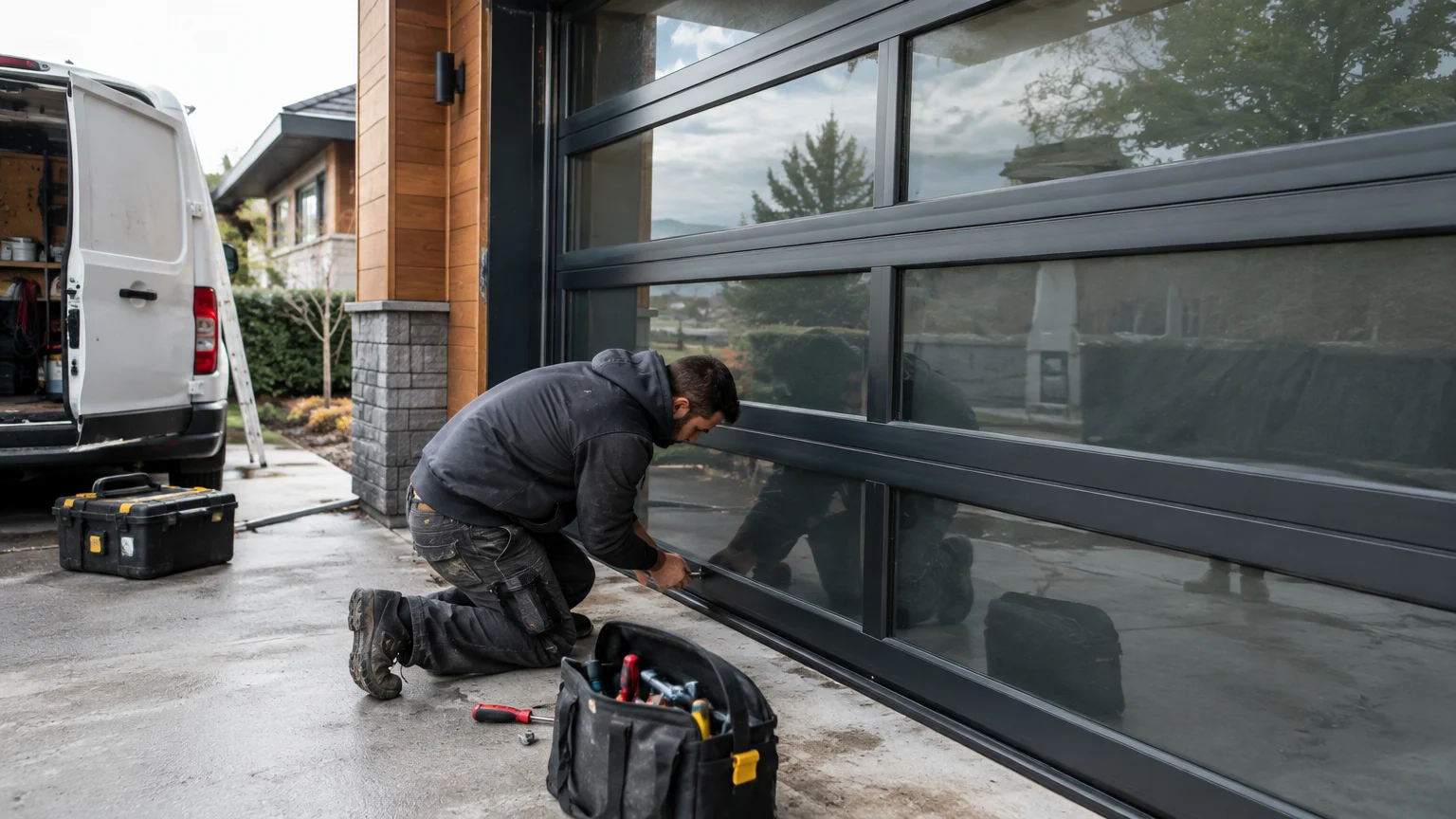
- What style of garage doors is best for your home?
- What are the main styles of garage doors?
- Which garage door material should you choose?
- Are garage doors with windows a good choice?
- How do you choose a garage door style for a specific property?
- What garage door features affect comfort and security?
- How can you compare garage door styles before installation?
- Frequently Asked Questions
What style of garage doors is best for your home?
The best style fits the home, works safely each day, and suits the garage opening. It should also work with the opener, seal the edges well, and offer the right mix of privacy and light. Radford weather, room above the garage, and how often you use the door also matter.
A simple home may look best with a raised-panel door and clean lines. Craftsman homes often suit carriage-house details or wood-look finishes. Modern homes may look better with flush panels or full-view glass. Radford Garage Door Repair can help Radford property owners compare looks, safety, and use before they select a door.
How architecture, curb appeal, and daily use influence your choice
A garage door may cover much of the front of a home. Its color, panel shape, windows, and hardware can change the whole outside view. Match the door with the roof, trim, siding, and front entry for a balanced look.
Daily use is just as important. A family that opens the door many times may need a quiet opener, strong hardware, and an easy-care finish. A garage used for storage may need more insulation, daylight, and weather protection. Think about rooms above the garage and the amount of sun, rain, and wind near the opening.
Why door operation and available space matter as much as appearance
Most home garage doors lift on tracks and rest near the ceiling when open. The ceiling, side walls, frame, and space above the opening must fit the panels, tracks, springs, and opener. Low headroom means little space above the opening. Limited side room or an unusual roof can reduce your choices.
The door must also match the opener and other hardware. Damaged tracks, weak springs, worn cables, and crooked panels can make operation unsafe. Garage Door Opener Repair and Garage Door Maintenance can help find these issues before you select a new door. You can keep the opening clear and watch for odd sounds, but loaded hardware needs trained help.
What are the main styles of garage doors?
The main styles include raised-panel, carriage-house, flush-panel, full-view, and custom wood doors. Each one has a different look and care level. The style of garage door is separate from its material and movement. A carriage-house look may use steel, wood, or fiberglass, and it may still lift overhead.
Traditional raised-panel and carriage-house doors
Raised-panel doors have sections with raised shapes. They add depth and suit ranch, Colonial, suburban, and many older homes. They come in many colors, window designs, and materials.
Carriage-house doors copy the look of old barn doors that swung outward. Most modern versions still lift overhead. Handles, hinges, and crossbuck details can suit Colonial, farmhouse, Craftsman, and cottage homes. These parts are usually decorative. An installer should confirm that the design works with the tracks and opener.
Modern full-view, flush-panel, and contemporary designs
Flush-panel doors have smooth faces and simple lines. They suit modern homes, bold siding, stone, and large windows. Full-view doors use wide glass panels in a frame. They can make the garage seem more open and reduce the heavy look of a large opening.
Clear glass brings in the most light but gives the least privacy. Frosted, tinted, or textured glass limits views while keeping a modern look. Ask about glass strength, frame design, weather seals, and opener fit. The door should close firmly and stay secure.
Which garage door material should you choose?
Steel, aluminum, wood, and fiberglass each serve a different need. Steel is strong and easy to care for. Aluminum is light and works well with many full-view doors. Wood has a warm, natural look but needs more care. Fiberglass can copy wood grain and may have fewer moisture concerns.
The full door system matters as much as the panel. The frame, finish, insulation, glass, seals, tracks, springs, and opener all affect how the door works. Compare complete systems instead of looking at the panel alone.
Steel, aluminum, wood, and fiberglass compared
Steel is common because it is strong and practical. Some steel doors have layers that add strength and insulation. Coated finishes help protect the surface, but dents and scratches still need care. Aluminum resists rust and suits large glass sections, though some panels dent more easily than steel.
Wood gives older homes and custom designs a special look. It needs good sealing because water, sun, and changing weather can harm the surface. Fiberglass can offer a lighter wood-like choice, but it may crack or fade after hard impacts or long exposure. Ask if replacement sections can be matched later.
How maintenance, durability, insulation, and climate affect the decision
Strong sun can fade finishes. Moisture can harm wood and unprotected hardware. Wind, salt air, changing temperatures, and falling branches can shorten the useful life of any door. Poor seals can let cold air in, even when the door has insulated panels.
Insulation slows heat transfer and may make an attached garage more comfortable. It can also reduce outside noise. It cannot fix poor seals, a damaged frame, or an opener that will not close the door. Most homeowners can wash the surface with mild soap, check visible seals, and keep tracks clear.
A garage door spring, extension spring, lift cable under tension, or bottom bracket can hold stored force. These parts can cause serious injury if they fail or move suddenly. Do not adjust or replace them yourself. A trained professional should handle this work.
Are garage doors with windows a good choice?
Windows can bring in daylight and improve the outside look of a home. They may help when a garage is used as a workshop, gym, hobby room, or storage space. More daylight may also reduce the need for electric lights during the day.
Windows do not suit every property. A garage facing a busy walkway may need frosted or high windows. A business may need clear views, stronger glass, or a layout that keeps stored goods private. Garage door windows usually do not provide fresh air because they stay closed while the door operates.
Privacy, security, glass types, and placement options
Top-row windows bring in light while limiting views into the garage. Larger windows offer more daylight but may need stronger frames and careful glass choices. Clear glass gives the best view. Frosted, tinted, and textured glass offer more privacy.
Laminated or impact-resistant glass may add protection. An installer should make sure the windows do not harm the door’s balance or movement. If a windowed door becomes noisy, uneven, or hard to lift, stop using it and arrange an inspection. Do not try to change the opener or loaded hardware.
How do you choose a garage door style for a specific property?
The best design repeats the property’s main shapes, colors, and materials. It does not need to copy every detail. It should look natural from the street and work well for the people who use it. Radford Garage Door Repair serves Radford and nearby areas, including East Radford, New Town, Christiansburg, Dublin, Pulaski, and Pembroke.
Check the opening size, ceiling space, weather exposure, safety needs, and daily traffic. View samples outside when possible. Indoor light can change how a color looks. Compare the roof, siding, trim, entry door, windows, and landscaping as one group.
Matching the door to ranch, Colonial, Craftsman, and modern homes
Ranch homes often suit raised-panel, flush-panel, or long-panel doors. Colonial homes may work well with balanced panels, divided windows, and classic colors. Craftsman homes can suit carriage-house details, square windows, and wood-look finishes. Modern homes often match clean panels, dark colors, glass, or simple aluminum frames.
These are helpful starting points, not strict rules. Look at choices from the street. Also think about how the door looks when it is open and closed. A design should fit the home and remain useful for years.
Choosing a practical design for businesses and other properties
Businesses need a door that supports access, security, and regular use. A service garage may need strong hardware for frequent cycles. A shop or office may place more value on looks, daylight, and controlled views. Delivery vehicles, clearance, weather, and space around the opening matter too.
A home door may not suit a warehouse, workshop, or shared building. Garage Door Installation can help check the opening, tracks, springs, and opener. Business owners should also plan for access during repairs and consider how a failed door could affect staff, deliveries, or stored goods.
What garage door features affect comfort and security?
Insulation, weather seals, wind support, strong hardware, and opener fit all affect comfort and safety. An insulated door can still perform poorly if air enters around the edges. A strong door also needs working tracks, sensors, springs, and an opener.
A safe door should move evenly, stop when needed, and stay connected to sound hardware. Homeowners can keep photo-eye sensors clear. They can also test the reversal feature as the maker advises and watch for changes in noise, speed, balance, or alignment.
Insulation, weather seals, wind resistance, and energy performance
Insulation can help steady the temperature in an attached garage. It may reduce noise and make the door feel stronger. The right level depends on how the garage is used, the local weather, and whether rooms sit above or beside it.
The bottom seal meets the floor. Side and top seals close the other edges. Cracked seals, bent tracks, and uneven panels can let in water, dust, pests, and air. In areas with strong storms, ask which support features suit the property and local building rules.
Safety hardware, reinforced construction, and opener compatibility
Springs and lift cables carry heavy loads and may stay under high tension. A broken part can cause sudden movement, falling pieces, or serious injury. Homeowners should not adjust, remove, or replace torsion springs, extension springs, lift cables under tension, or bottom brackets.
These jobs need special tools, training, and safe handling. Garage Door Off Track Repair and Garage Door Cable Repair require proper equipment and inspection. The opener must match the door’s weight and movement. Stop using a door that falls, binds, hangs unevenly, or makes sudden sounds.
How can you compare garage door styles before installation?
Compare the look, material, windows, insulation, upkeep, security, and available space before ordering. Professional measurements matter because small errors can affect tracks, panels, springs, and the opener. This is also a good time to find repairs needed in the opening or old hardware.
View samples beside the siding, trim, roof, and entry door. Think about later repairs too. A common style may have easier-to-find parts, while a custom design may need more specific service knowledge.
A practical checklist for narrowing down materials, colors, and features
- Match the panel design with the property’s architecture.
- Choose a material that fits the weather and care level.
- Decide if windows should provide light, privacy, or both.
- Check insulation and weather-seal needs.
- Confirm that the opener and ceiling space fit the door.
- Review safety hardware, support features, and warranty terms.
When professional measurements and installation guidance are needed
Measurements matter most when an old door will be replaced with a different style or material. The installer should check the opening, frame, headroom, side room, panel movement, spring system, cable path, tracks, seals, and opener.
You do not need a professional for every simple check. You can wash the door with mild soap, keep the opening and sensor area clear, inspect visible seals, and watch whether the door moves evenly. Follow the maker’s basic safety test. You do need trained help for installation, heavy panels, off-track doors, frame problems, opener faults, springs, cables under tension, and bottom brackets.
The final cost is confirmed on a quote after the property, door, materials, and work needs are reviewed. If you see a safety or access problem, Contact us today to discuss the right solution with Radford Garage Door Repair.
Key takeaways
- The best style matches the property and supports safe daily use.
- Steel, aluminum, wood, and fiberglass have different care needs.
- Windows add light, but glass choice affects privacy and security.
- Insulation and weather seals work best when properly fitted.
- Springs, cables, and bottom brackets should only be handled by trained professionals.
Frequently Asked Questions
Which garage door style works for most homes?
Raised-panel doors suit many homes because they work with many colors, materials, and window patterns. Carriage-house designs may better match farmhouse, Colonial, Craftsman, or cottage properties. Flush-panel and full-view doors often suit modern homes.
There is no single best garage door for every property. Architecture, weather, care needs, space, privacy, and daily use all matter. Full-size outdoor samples and a check of the opening and ceiling can help confirm the choice.
What are the main garage door designs to consider?
The main designs are raised-panel, carriage-house, flush-panel, full-view, and custom wood doors. They differ in looks, care, daylight, and space needs. A carriage-house door may look like a swing-out barn door while still lifting overhead.
A professional can explain which designs fit the opening, tracks, ceiling, and opener. Material is a separate choice. A wood-style look may use fiberglass, while a full-view design may use an aluminum frame.
Can windows make a garage door less secure?
Windows can be safe when the glass, frame, and full door system fit the property. Frosted or tinted glass protects privacy. Top-row windows can provide daylight without giving a direct view inside. Laminated or impact-resistant glass may help where security or storm exposure is a concern.
The windows should not affect balance, movement, or opener use. If the door becomes noisy, uneven, hard to lift, or hard to close, stop using it and arrange an inspection.
How should a homeowner select a garage door material?
Compare strength, care, insulation, moisture exposure, appearance, and repair needs. Steel is a practical choice. Wood offers a natural look with more care. Aluminum suits many modern designs. Fiberglass can copy wood grain while weighing less.
Also check the frame, finish, glass, weather seals, and hardware. Routine cleaning and visual checks are safe for most homeowners. Spring, cable, and bottom-bracket work belongs to a trained professional.
Who can install a garage door near my property?
A local garage door company can measure the opening, compare suitable designs, and install the selected system. The provider should also check opener fit, springs, cables, tracks, seals, and safety features.
Radford Garage Door Repair helps property owners review garage door installation and repair needs. Homeowners can clean the door, keep the opening clear, and watch for changes in operation. They should seek trained help for installation, off-track doors, damaged panels, opener faults, and work involving torsion springs, extension springs, lift cables under tension, or bottom brackets.
Radford Garage Door Repair can explain what may be wrong before a small issue becomes a larger repair.
If you are not sure what you are dealing with, it is worth having someone look at it before it turns into a bigger job. Get in touch with Radford Garage Door Repair today and we will tell you where you stand.